
3D 打印 PP 储罐零件”
2026-08-29
为什么 3D 打印 PP 储罐零件不仅仅是原型设计,而且是一种工业解决方案
直接回答您的要求:是的,增材制造允许您为聚丙烯容器创建功能单元、管道和修复元件,这些容器可以承受腐蚀性化学环境和高达 +95°C 的温度。在我们的实践中,我们面临这样一个事实:许多工程师错误地认为3D打印只是视觉模型的方法,错过了为小规模生产或管道配件紧急维修的模具节省高达60%预算的机会。这里的关键点是正确选择材料(PP均聚物或PP-R共聚物)以及打印过程中各层的方向,因为这些是决定成品密封性的因素。
当工作环境温度超过45°C时,传统的粘接或机械紧固方法往往会因材料的热膨胀系数不同而失效。我们曾遇到过使用错误的粘合剂在使用三周内导致法兰接头失效的案例,导致酸泄漏和生产线停机。由于结构坚固,3D 打印 PP 储罐部件解决了这个问题:该部件作为一个整体进行打印,没有粘合接缝形式的薄弱环节。然而,有一个细微差别——强度的各向异性。 A part printed vertically will have different tensile strengths along the X, Y and Z axes, requiring careful load calculations before going into production.
本文基于独联体国家和欧洲化学和石化行业实施添加剂技术的真实经验。我们不会使用有关“技术的未来”的笼统用语,而是会分析具体的挤出参数、后处理和经济可行性。无论您是在寻找快速更换损坏配件的方法还是制作一批定制的油箱紧固件,以下提示都将为您节省时间和金钱。
聚丙烯印花材料及设备技术要求
聚丙烯 (PP) 由于其高冷却收缩率和翘曲倾向,被认为是增材制造最困难的热塑性塑料之一。与 PLA 或 PETG 不同,这种材料需要对腔室和工作台进行严格的温度控制。为了成功3D 打印 PP 储罐零件要求设备能够将喷嘴温度保持在 220–240°C 范围内,并且工作台温度至少保持在 100–110°C 范围内。 Ordinary open printers will not work here: the absence of a thermal camera will lead to delamination of layers already in the first centimeters of the height of the part.
最重要的参数是所用聚丙烯的类型。对于接触腐蚀性介质(酸、碱、溶剂)的储罐,我们建议使用 PP-H 均聚物。它具有最大的耐化学性,但在低温冲击载荷下更脆弱。如果水箱用于热水或食品,最好选择无规共聚物 PP-R。这种材料提高了冲击强度和耐热性,这对于热水系统至关重要。在我们的一个项目中,客户坚持使用廉价的均聚物作为热水箱,导致使用两个月后焊接区域形成微裂纹。
第一层的粘附是另一个棘手的问题。聚丙烯不能很好地粘附在玻璃或 PEI 等标准表面上。 Our experience shows that the best results are achieved by using specialized PP sheets for the table or a combination of PVA glue (as a separating layer) and heating the table to 115°C.零件的气流也至关重要:与 ABS 不同,PP 不喜欢风扇主动冷却。强制气流只能在距离工作台 5-10 毫米的高度处打开,并且功率应设置为不超过 30%,否则零件会脱开或弯曲。
Print speed also affects quality.为了获得不需要额外浸渍的密封部件,速度应降低至 20-30 mm/s。这增加了生产时间,但提供了更好的层融合。尝试将过程加速到 60 毫米/秒通常会导致挤出机轨道之间出现微孔,压力下的液体可能会通过这些微孔泄漏。请记住:目标不是速度,而是化学密封性和机械完整性。
制造方法比较:3D 打印与铸造和机加工
在选择如何制造储罐部件时,工程师常常在传统方法和增材制造之间犹豫不决。 To make an informed decision, it is necessary to compare these approaches on key parameters: tooling cost, lead time, geometry complexity and mechanical properties of the final product.以下是基于实际生产案例的详细对比表。
| 对比参数 | 3D打印(FDM/FFF) | 压铸 | CNC加工(PP板材) |
|---|---|---|---|
| 启动成本(设备) | 无(仅限模型文件) | High ($2000–$10000 per mold) | Low (machine programming) |
| First batch production time | 1–3 天 | 4-8周(模具制作) | 3–5 天 |
| 经济效益 | Cost effective for 1–100 pcs. | 适合 1000 件以上。 | 适用于简单形状,1-50 件。 |
| 几何复杂性 | Any (internal channels, complex cavities) | 受限于脱模性 | Restricted by cutting tool access |
| 机械强度 | 各向异性(取决于层方向) | Isotropic (same in all directions) | Isotropic (retains sheet properties) |
| Sealing without post-processing | Requires parameter settings or impregnation | 绝对 | Absolute (monolithic material) |
考虑这样一种情况,您需要为酸罐通风系统生产一批 20 个定制适配器。 In this case, injection molding is not economically feasible: the cost of the mold will exceed the budget of the entire project, and the waiting period for the mold will delay the installation of the system by a month. CNC machining is possible, but if the adapter has a complex internal shape with stiffening ribs, then a multi-axis machine and many part settings will be required, which will dramatically increase the cost of the work. 3D printing of PP tank parts in this scenario becomes the only rational choice, allowing you to get finished products in 48 hours without the cost of tooling.
On the other hand, if we are talking about mass production of standard manhole covers with a circulation of 5,000 pieces per year, 3D printing will lose to casting in terms of unit cost.一个瓶盖的打印时间可达10小时,而铸造周期为45秒。 Here, additive technology is only appropriate for creating a prototype before ordering an expensive mold to check the ergonomics and fit dimensions.
还值得注意的是3D打印在高压条件下的局限性。如果罐部件要在高于 2-3 bar 的恒定压力下运行,则优选铸造或车削聚丙烯,因为其各向同性结构。打印部件在循环负载下可能会分层。 However, for atmospheric tanks, ventilation systems and gravity-flow containers, the strength of FDM printing is quite sufficient provided that the infill is correct (infill) of at least 40–60%.
工业和化学加工中的实际应用场景
实际使用中3D 打印 PP 储罐零件主要用于两个场景:故障设备的及时修复和非标配件的生产。让我们看一下我们实践中的具体示例,其中使用增材技术可以避免长时间停机。
案例 1:修复化学品容器上破损的紧固凸耳。
化肥生产厂发生事故:拆除旧的5立方米集装箱时。米,将油箱固定在车架上的四个安装凸耳之一断裂了。由于该坦克型号已停产,因此从制造商处订购原厂备件需要 6 周的时间。由于与主体接口的形状复杂,无法对新型 PP 片状接线片进行机械加工。 We proposed a solution: scan the remaining ear, create a 3D model with a reinforced internal structure, and print a replacement from chemical-resistant polypropylene.该过程耗时 3 天:一天用于建模,两天用于打印和后期处理。 The part was installed using special hot air welding and has been successfully operating for more than a year, withstanding the vibrations of pumping equipment.
案例2:制造非标准直径液位传感器的适配器。
在电镀车间,需要在旧槽中安装新的酸位传感器。油箱盖上的安装孔直径为 42 毫米,新传感器上的螺纹为 G1.5 英寸(约 48 毫米)。没有这种尺寸的标准适配器,安全法规禁止在油箱盖上钻孔。该解决方案是通过 3D 打印适配器衬套找到的。我们设计的零件具有外锥面,可紧密配合传感器的 42mm 孔和内螺纹。 Thanks to the ability to vary the wall thickness in different areas of the part, we were able to provide the necessary tightness without using additional seals that could be corroded by acid.其中一个衬套的成本不到 15 美元,而第三方承包商的定制车削批次每个成本为 150 美元。
另一个重要方面是内部组件的定制。生物反应器和混合容器通常需要特殊形状的搅拌器或导流器来优化流体动力学。 3D 打印允许您创建具有复杂刀片几何形状的元素,这是铣削无法获得的。与标准平板搅拌机相比,这可将混合效率提高 15-20%。
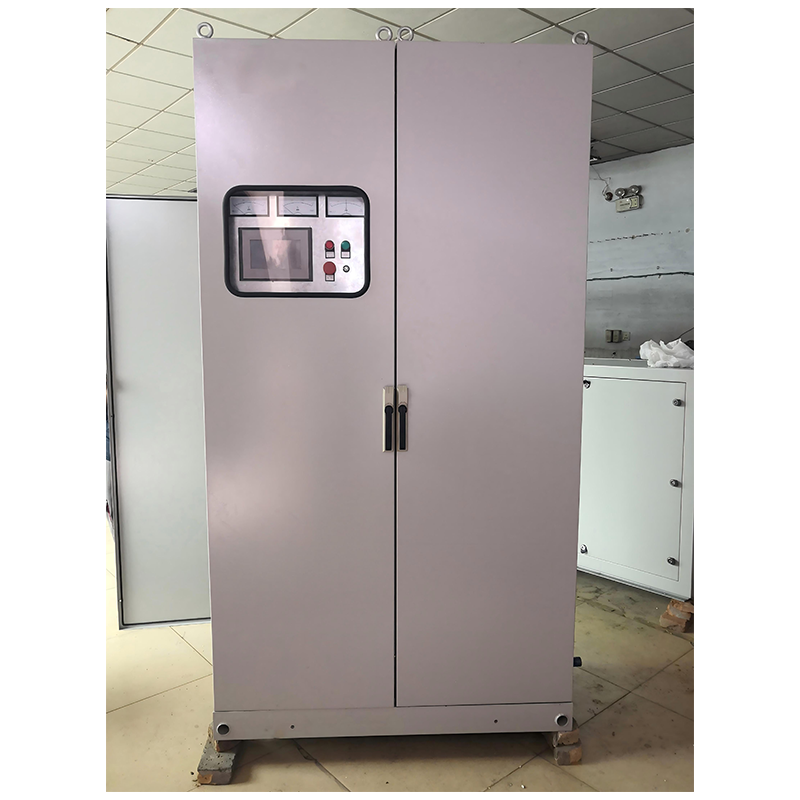
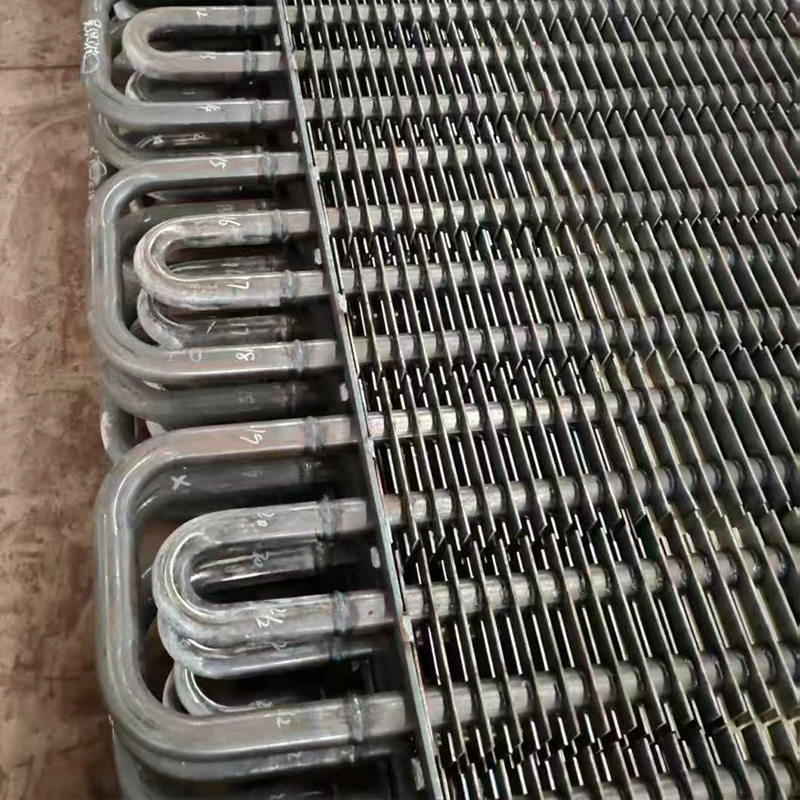
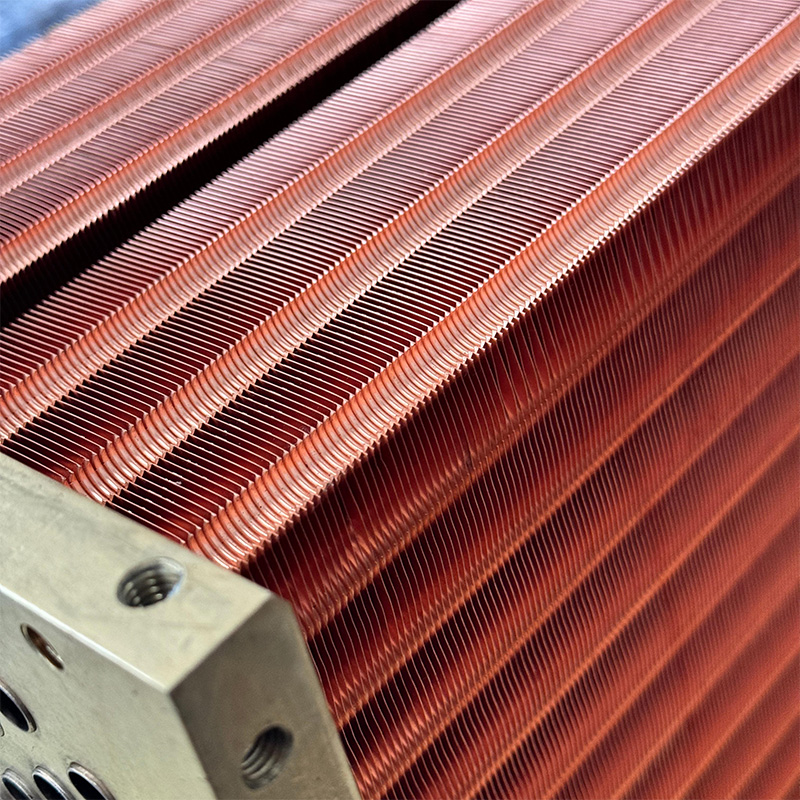
类似的任务经常出现在大型工业园区现代化的背景下。例如,一家公司无锡凯盛电力石化设备有限公司, which specializes in the design and manufacture of high-pressure heat exchangers (including titanium shell-and-tube units and N06625 alloy bundles), regularly faces the need to adapt auxiliary components to the unique requirements of oil refining and seawater desalination projects. Although the company's main production focuses on ASME and PED certified metal structures, the use of 3D printing from polypropylene allows it to quickly produce 耐腐蚀 (corrosion-resistant) plugs, adapters and protective elements for piping heat exchange equipment operating in aggressive environments. This hybrid approach—combining the power of heavy engineering and the flexibility of additive manufacturing—provides customers with end-to-end solutions where every component, from C46400 brass tubesheet to plastic fitting, is perfectly tailored to the application.
打印部件的密封和后处理指南
使用 3D 打印储罐时,客户主要担心的是泄漏。分层结构确实创造了液体渗透的潜在途径,特别是当零件在压力或真空下运行时。要将多孔工件变成密封单元,必须遵循严格的操作算法。以下是我们在生产中用于确保质量的步骤。
- 切片参数的优化。
第一步是在打印开始之前进行的。在切片器设置中,您需要将周边(墙)的数量增加到 4-5 块。外壁负责密封性,内部填充物(infill)仅承受机械载荷。壁厚必须是喷嘴直径的倍数(例如,对于 0.4 毫米喷嘴,壁厚为 1.6 毫米或 2.0 毫米)。将线重叠设置为 15-20% 也很重要。这确保了相邻的塑料轨道将融合成整体,而不会留下微小的间隙。 - 温度和速度控制。
如前所述,高挤出温度促进层间聚合物链更好的扩散。对于 PP,这意味着在材料温度范围的上限 (235-240°C) 下工作。 The printing speed should be reduced to 25 mm/s.缓慢挤出使塑料有更多时间以受控方式冷却,并提高与前一层的粘合力。忽视这一规则是局部出现瘘管的最常见原因。 - Chemical solvent welding.
如果零件形状复杂且泄漏风险较高,我们会使用化学后处理方法。 The surface of the part is treated with a special compound based on xylene or other solvents suitable for polypropylene (care and compatibility check required!).溶剂会稍微熔化外层,“平滑”毛孔并形成光滑、不可渗透的薄膜。此方法对于外表面有效,但需要良好的通风和安全预防措施。 - 密封涂料的应用。
For parts in contact with food or particularly aggressive environments where chemical treatment is unacceptable, a thin layer of epoxy resins or specialized polyurethane coatings that are resistant to this type of chemical is used.涂层填充了表面的所有微观不规则处。 It is important to choose a coating that has a coefficient of thermal expansion close to polypropylene, otherwise the coating will peel off when the tank heats up. - 水压测试。
未经测试,不得将任何部件安装在储罐上。我们在高于工作压力25%的条件下进行24小时的压力测试。 To visually control leaks, the part is painted on the outside with a water-based marker: even minimal leakage of liquid will immediately appear as a change in the color of the spot.只有成功通过测试后,部件才被视为准备好发货。
请注意:试图在后期处理中省钱往往会导致灾难。 One of our clients skipped the hydrotesting stage of a batch of fittings, and when the system was first commissioned, three of the ten parts leaked in the first hours of operation, causing corrosion of the floor support structures. Don't repeat this mistake.
实施 3D 打印的经济合理性和投资回报计算
技术引进3D 打印 PP 储罐零件不仅需要技术知识,还需要对流程的经济性有清晰的了解。 Many managers mistakenly compare the cost per gram of filament to the cost per gram of the finished sheet product, without taking into account indirect costs.让我们看看真实的成本结构。
原材料(PP长丝)的成本约为每公斤30-50美元。平均零件(例如法兰或适配器)的重量很少超过 200 克,直接材料成本约为 6-10 美元。为此,您需要添加设备折旧(打印每小时约 2-3 美元)和电费。总的来说,复杂零件的成本很少超过 20-25 美元。 For comparison, the minimum order for turning a similar part from a third-party contractor usually starts from $100–150 due to the cost of machine setup time and programming.
然而,主要的节省不在于零件的价格,而在于减少停机时间。在工业中,由于缺少小备件而导致的生产线停机一小时可能会造成数千美元的损失。如果 3D 打印机直接位于企业或本地服务处,则等待时间将从几周缩短到几天。在这种情况下,定制打印机的投资回报 (ROI) 计算通常不到 3-4 个月。挽救一次危急情况足以让设备收回成本。
还需要考虑物流。笨重的聚丙烯部件运输成本昂贵。现场打印消除了运输成本和交付过程中损坏的风险。 In addition, digital model storage allows you to create a “virtual warehouse” of inventory: instead of storing physical parts that can get lost or damaged, you store files that can be printed at any time.
然而,也有局限性。如果您需要数千个相同的简单垫圈,3D 打印将无利可图。对于中等复杂程度的零件,盈利阈值通常在 50-100 件之间。低于这个阈值,增材技术没有竞争。
常见问题解答
用聚丙烯打印的部件的最高工作温度是多少?
The maximum short-term operating temperature for the PP homopolymer is about +100...+105°C, and for the PP-R copolymer - up to +95°C at constant pressure. However, it is important to understand that at temperatures above +80°C the mechanical strength of polypropylene begins to decrease significantly. In our practice, we do not recommend using 3D printed parts under load at temperatures above +70°C without an additional safety margin (increasing wall thickness by 30–40%).如果您的环境被加热到沸腾,请务必在特定操作条件下对材料进行蠕变测试。
3D打印零件可以焊接到PP板材罐体上吗?
是的,这是可能的,并且是标准做法。由于材料相同(聚丙烯),3D 打印部件可以通过挤压焊接或热风完美焊接到 PP 板上。主要条件是表面的清洁度。焊接前,有必要清除打印部件上可能存在的污染物(灰尘、手上的油污),并轻轻清洁接头。我们建议在零件和罐壁之间留出 0.5-1 毫米的结构间隙,以形成完整的焊缝(角焊缝)。没有切割边缘的直接对接接触可能会导致连接不牢固。
密封零件需要多少百分比的填充?
为了确保密封性,填充百分比本身并不起决定性作用,因为液体被外周(壁)保留。但是,对于压力或真空零件,我们建议至少 40-60% 采用网格或立方图案填充。这可以防止墙壁在负载下向内倒塌。 If the part operates only by draining (gravity flow) and without pressure, 20% filling is sufficient to save material and time, provided there are at least 4–5 external perimeters.
打印部件是否容易受到紫外线降解?
碱性聚丙烯对紫外线辐射敏感,长时间暴露在阳光直射下会变脆。 If the tank or its components will be located outdoors, it is necessary to use filament with UV stabilizers (often labeled as PP UV-resistant) or apply a protective paint coating.如果没有保护,零件在阳光下的使用寿命可能会从 10 年缩短到 1-2 年。在封闭空间和罐内(没有光的地方),这个因素并不重要。
有食品接触安全认证吗?
聚丙烯材料本身已通过食品接触认证(FDA 标准,EU 10/2011)。然而,该证书适用于原材料(颗粒)。 A finished 3D printed product only achieves food-grade status if certain printing conditions are met: using a clean nozzle (no traces of other plastics), printing in a clean environment, and being free of porosity where bacteria can grow. Official certification of the final product in the food industry often requires additional laboratory tests of a specific batch of products for migration of substances.
选择服务提供商的结论和建议
技术3D 打印 PP 储罐零件已从实验阶段进入可靠工业工具的范畴。它可以让您解决以前成本过高或技术上无法在短时间内完成的问题。成功的关键不在于打印机本身,而在于操作员的能力,他们了解聚丙烯结晶过程的物理原理并知道如何调整特定任务的参数。
If you are planning to introduce this technology in your production or order a batch of parts, pay attention to whether the contractor has experience working specifically with engineering plastics, and not just with decorative models.索取测试密封件和液压测试报告的样本。不要羞于询问后处理问题:成品零件的外观和功能应该像铸造产品,而不是粗糙的原型。
我们随时准备帮助您实施任何复杂的项目:从单一维修到配件的小规模生产。我们的专家将分析您的 3D 模型,建议零件的最佳方向以获得最大强度,并计算准确的成本。请立即联系我们讨论您的项目并获取工艺工程师的建议。